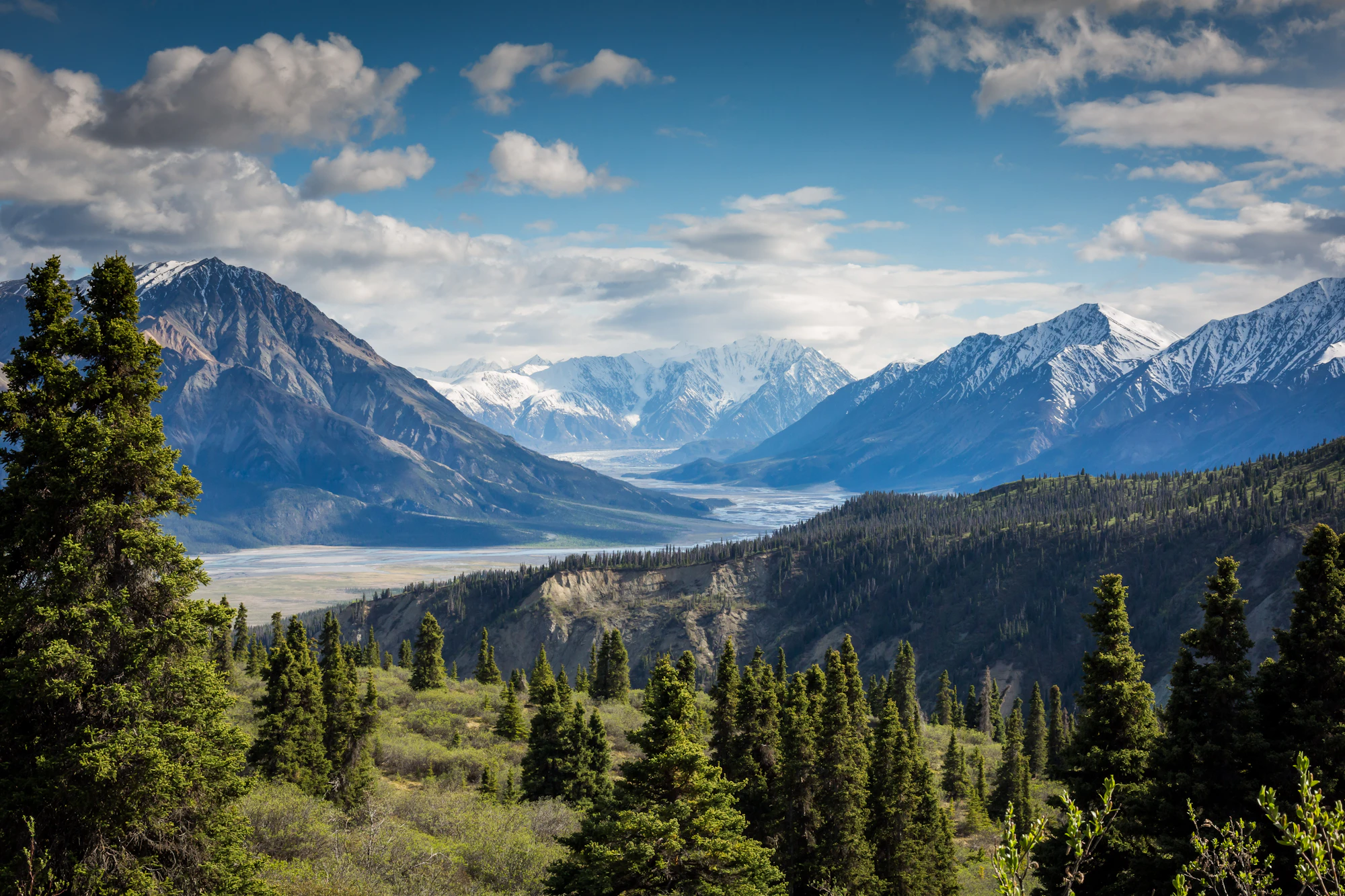

Recent reporting from ICIMOD in 2026 has again drawn attention to glacier loss in the Hindu Kush Himalaya. The key public message is serious: glaciers in the region are losing ice rapidly, and ICIMOD reported that recent loss is roughly twice the rate observed around the year 2000.
That statement is about observed change. It should not be confused with a guarantee about exactly what will happen in every valley in the future. Glacier response varies by location, elevation, debris cover, temperature, precipitation and topography. Some glaciers can behave differently from regional averages. Responsible communication should make this distinction clear.
Why does the trend matter? Glacier mass loss affects the long-term storage of frozen water. It can also influence seasonal flows, glacial lake development, slope hazards and the visibility of climate change in mountain landscapes. These impacts intersect with roads, settlements, hydropower, agriculture, tourism and cultural life.
The Hindu Kush Himalaya is a major high mountain region spanning several countries. Nepal is one part of that wider system. Climate change in this region is not only a scientific concern; it is a development, safety, education and justice concern. Communities with limited responsibility for global emissions can face direct consequences through water stress, hazards and livelihood disruption.
Evidence comes from multiple methods, including satellite observations, field measurements, climate records and glacier models. Each method has strengths and limits. Satellite data can cover remote terrain, while field data can provide detailed local understanding. Models help explore future scenarios, but their results depend on assumptions about emissions and climate response.
For public readers, the practical question is often: what should we do with this information? The answer begins with attention. Mountain issues must be included in climate education, water planning, disaster risk reduction and policy conversations. Young people can help communicate science, counter misinformation and support local initiatives. Institutions can strengthen monitoring, early warning where appropriate, land-use planning and adaptation finance.
Save Mountain’ contribution is currently focused on awareness, education, youth participation, research communication and collaboration. We do not claim to operate glacier monitoring systems unless such work is implemented and documented. We do aim to help more people understand the evidence and why it matters for Nepal and South Asia.
Continue with our guide to what the cryosphere is, or learn how young people can support mountain conservation.
Sources
- HKH Glacier Outlook / glacier assessment - ICIMOD, 2026
- Climate Change 2021: The Physical Science Basis - IPCC, 2021