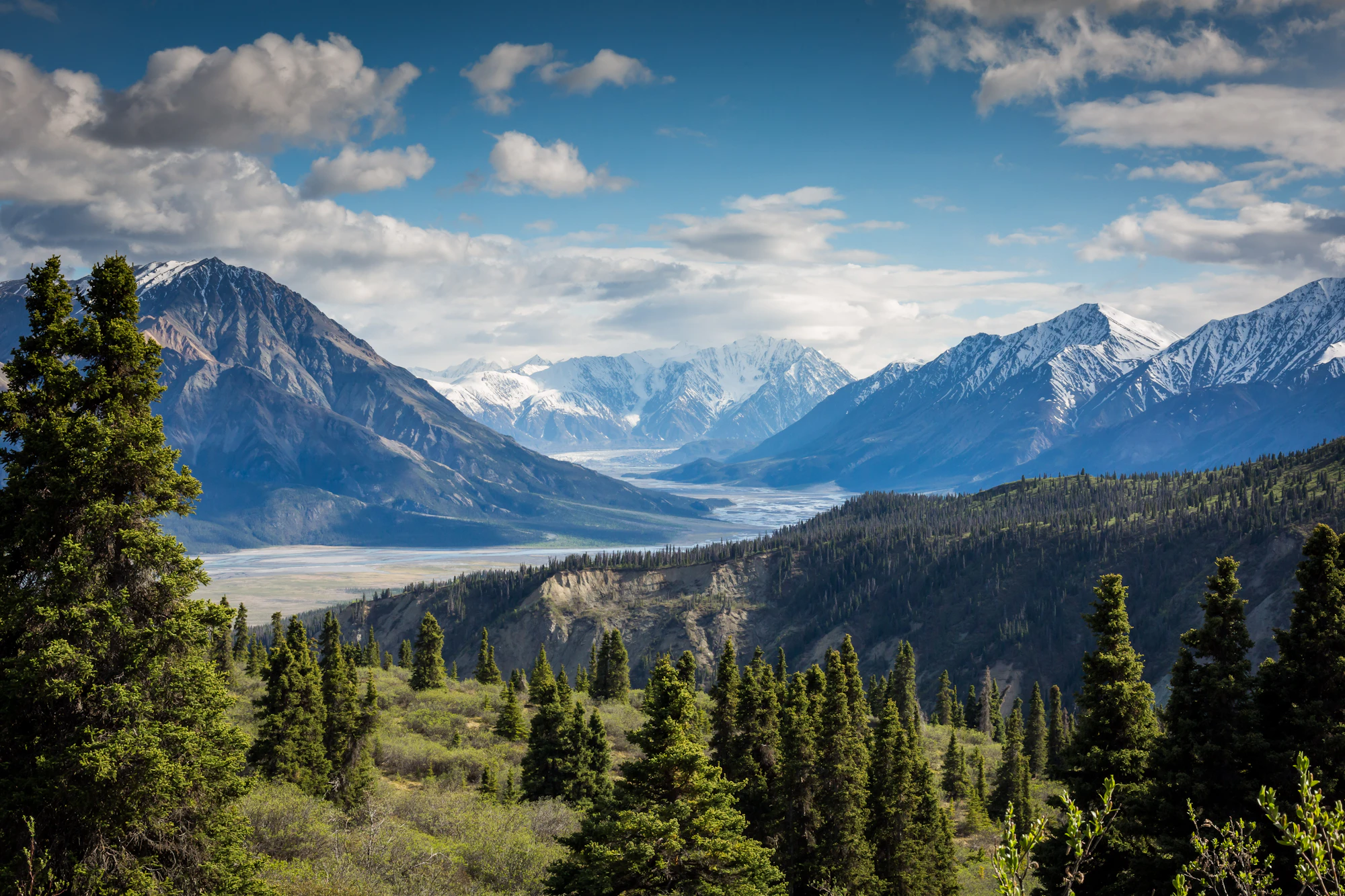

A glacial lake outburst flood, or GLOF, is a sudden release of water from a glacial lake. These floods can happen when the natural dam holding a lake fails or is overtopped. The dam may be made of moraine, ice or debris. A trigger can include an avalanche, landslide, heavy rainfall, ice collapse, earthquake or gradual weakening of the dam.
Not every glacial lake is dangerous. Many are stable. Risk depends on lake size, dam structure, surrounding slopes, downstream exposure and local conditions. This is why site-specific assessment is essential. A dramatic photograph of a lake is not enough to judge risk.
Glacial lakes can form as glaciers retreat and leave depressions that fill with meltwater. In some mountain areas, warming climate conditions can contribute to lake expansion. When a large volume of water is suddenly released, flood waves can carry water, rocks, ice and sediment downstream. The impacts can include damage to trails, bridges, hydropower, farmland, settlements and ecosystems.
Nepal and the wider Hindu Kush Himalaya have long experience with mountain hazards. GLOF risk sits alongside landslides, flash floods, avalanches, earthquakes and monsoon-related hazards. Effective response requires science, local knowledge, planning and communication. Communities need understandable information, not fear-based messaging.
Risk reduction can include mapping, monitoring, land-use planning, community preparedness, early warning systems where appropriate, and engineering interventions in carefully assessed cases. These are technical activities that require qualified institutions, government coordination and community involvement. Public organizations should describe such work only when it is actually implemented and documented.
For Save Mountain, the current role is awareness and education. We can help explain what GLOFs are, why careful evidence matters and how young people can participate in climate communication and preparedness conversations. We do not claim to operate warning systems or glacier monitoring equipment unless verified projects exist.
Readers can support resilience by learning the basics, following credible sources, respecting local knowledge and helping share accurate information. For more context, read about Himalayan glaciers and mountain communities.
Sources
- Glacial lake and GLOF resources - ICIMOD
- Disaster risk reduction in Nepal - Government of Nepal BIPAD Portal