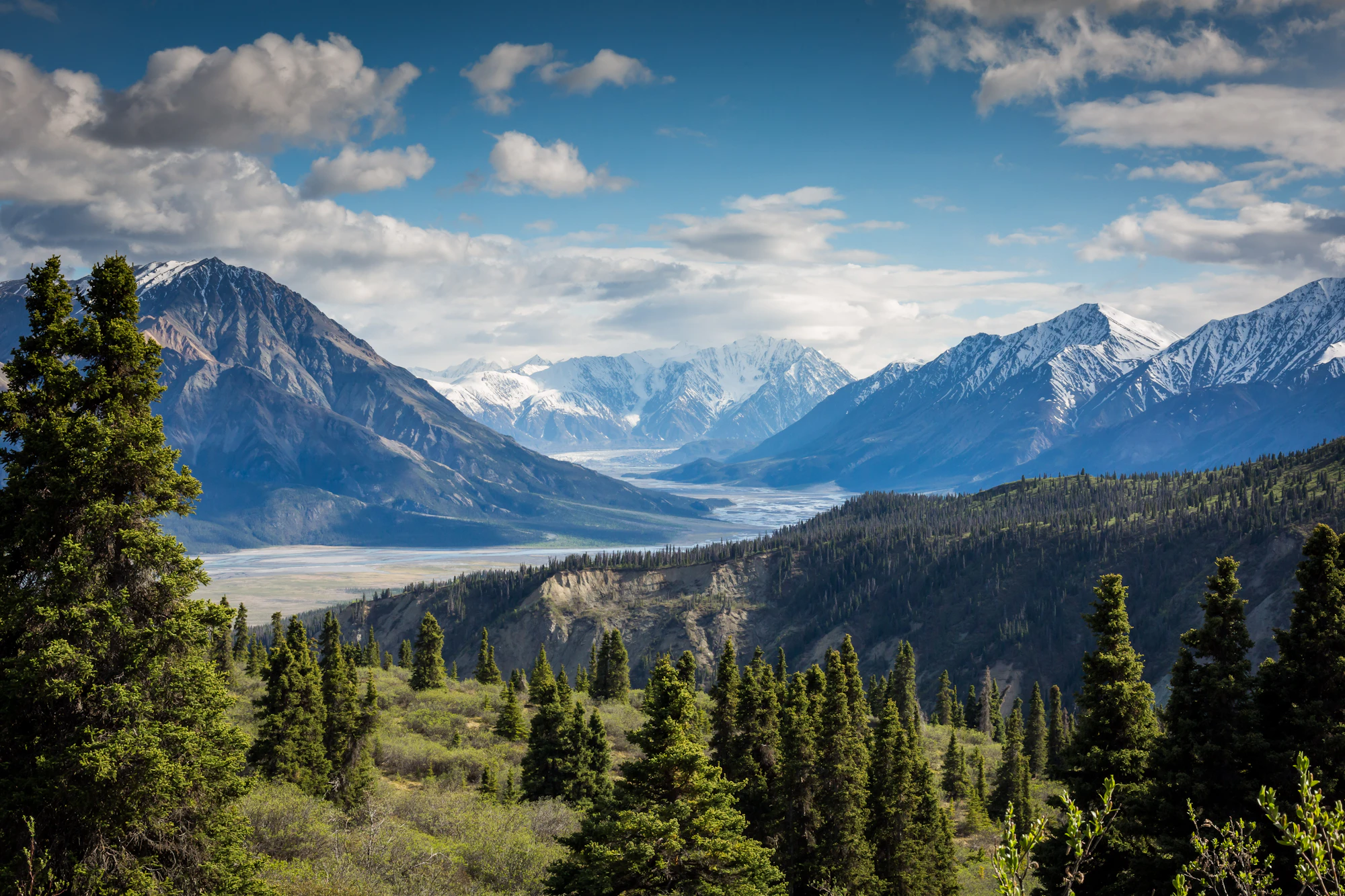

The cryosphere is the frozen part of Earth. It includes glaciers, snow, ice sheets, sea ice, frozen lakes, frozen rivers and permafrost. In Nepal, the most familiar parts of the cryosphere are high mountain snow and glaciers in the Himalaya.
The word may sound technical, but the idea is simple: frozen water shapes climate, landscapes and water systems. Snow reflects sunlight. Glaciers store water as ice. Seasonal snowmelt can feed streams and rivers. Frozen ground, where it exists, can influence slopes and infrastructure. When the cryosphere changes, the effects can move through ecosystems and communities.
Glaciers are masses of ice that form from accumulated snow. They move slowly and respond to long-term conditions. Seasonal snow is different. It falls and melts within shorter cycles, often influencing water availability during the year. Permafrost means ground that remains frozen for at least two consecutive years. In high mountain regions, permafrost can affect slope stability, although it is harder for the public to observe than snow or glaciers.
For Nepal, the cryosphere matters because mountains are tied to water, hazards, biodiversity and livelihoods. Climate change can reduce glacier mass, change snowfall patterns and alter the timing of meltwater. These changes interact with monsoon rainfall, land use, infrastructure and local vulnerability. A careful explanation matters because no single factor tells the whole story.
The cryosphere also matters culturally. Snow peaks are part of identity, tourism, spirituality and everyday imagination in Nepal. Treating them only as scientific objects misses how deeply mountains are connected to people. At the same time, treating them only as symbols misses the real physical changes underway.
Public understanding can help. Students can learn the difference between weather, climate, snow and glacier change. Journalists can avoid sensational language and explain uncertainty. Educators can connect classroom science to Nepal’s geography. Organizations can support adaptation and water planning that respects local knowledge.
Save Mountain focuses on making these issues easier to understand and discuss. We aim to connect credible research with youth action, storytelling and collaboration. Read our introduction to Himalayan glaciers, visit our work, or contact us with education and collaboration ideas.
Sources
- Climate Change 2021: The Physical Science Basis - IPCC, 2021
- Hindu Kush Himalaya Assessment - ICIMOD, 2019