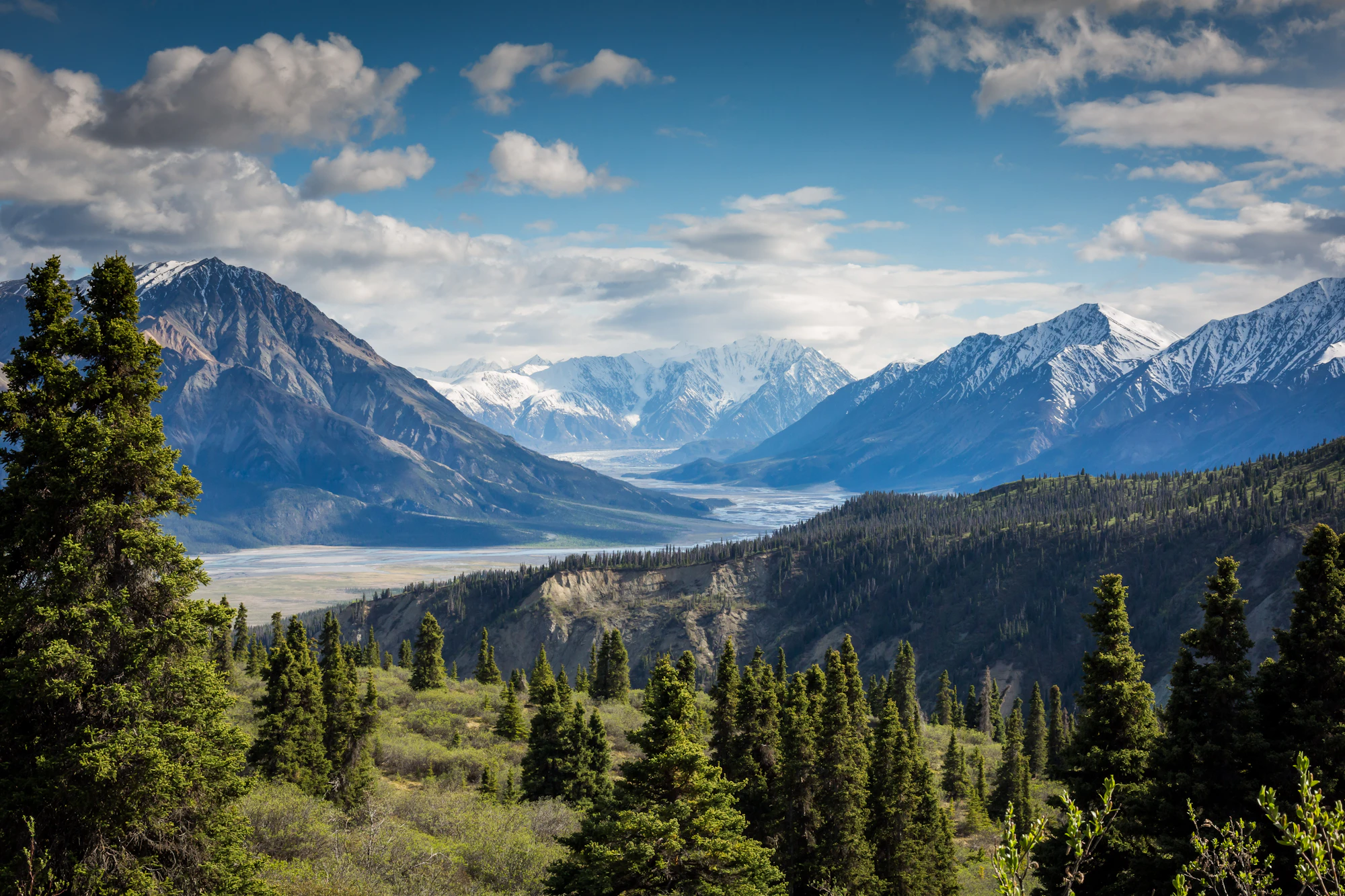
Himalayan glaciers matter because they are part of a much larger mountain water system. Snow, ice, rainfall, groundwater, rivers, forests and people are connected across altitude. What happens high in the mountains can influence drinking water, irrigation, hydropower, ecosystems, disaster risk and livelihoods far downstream.
For Nepal, this is not an abstract climate story. The country sits inside the Hindu Kush Himalaya, a mountain region that contains extensive snow and ice and feeds major river systems. Glaciers are only one part of that system, but they are highly visible signs of climate change because they respond to changes in temperature, precipitation and seasonal snow.
Glaciers form when snow accumulates over many years, compresses into ice and slowly moves downhill under its own weight. In cold high-altitude areas, glaciers store frozen water. During warmer seasons, meltwater can contribute to streams and rivers. This does not mean glaciers are the only source of water. Monsoon rain, seasonal snow, springs and groundwater are also essential. But glaciers can be important for maintaining flows during dry periods in some basins.
The Hindu Kush Himalaya is often discussed in relation to South Asia’s major rivers because mountain water supports people across national borders. Rivers that begin in or are influenced by high mountain systems contribute to agriculture, hydropower, freshwater ecosystems and urban water supplies. UNESCO’s World Water Development reporting has emphasized the importance of mountain water for human lives and livelihoods, including the widely cited point that billions of people depend in some way on mountain water systems.
Climate change is altering these systems. As temperatures rise, many glaciers lose mass. In the near term, increased melting can change seasonal flows and expand some glacial lakes. Over time, continued glacier loss can reduce the buffering role that ice plays in dry seasons. These changes do not look the same everywhere. Each valley, glacier and watershed has its own topography, climate and exposure to risk.
For mountain communities, glacier change is connected to many daily realities. Water availability can become less predictable. Trails, bridges, fields and settlements may face changing hazard patterns. Tourism, farming, herding and local culture can all be affected by shifts in snow and ice. Downstream communities may never see a glacier directly, but they can still depend on the rivers and ecosystems connected to high mountain water.
One specific risk is the growth or instability of glacial lakes. A glacial lake outburst flood, often shortened to GLOF, can happen when water suddenly escapes from a lake dammed by ice, moraine or debris. Not every glacial lake is dangerous, and risk assessment requires careful field and scientific work. Still, the issue shows why mountain change needs serious attention from governments, researchers, communities and civil society.
What can individuals do? First, learn from credible sources such as ICIMOD, UNESCO, WMO, IPCC and national institutions. Second, avoid sharing exaggerated claims that make mountain communities sound helpless or glaciers sound like a single simple cause of every water problem. Third, support public education, climate communication and responsible local action. Students can help explain science clearly. Educators can bring mountain issues into classrooms. Media creators can tell careful stories. Institutions can support research, adaptation planning and community-led resilience.
Save Mountain’ role is to help make this knowledge more accessible. We are not presenting ourselves as a glacier monitoring institution unless verified technical work exists. Our current focus is awareness, education, youth participation, research communication and collaboration. That work matters because public understanding shapes climate priorities. Mountains need to be visible in climate conversations not only as beautiful landscapes, but as living systems tied to water, biodiversity, culture and human wellbeing.
Explore more through our focus areas, learn about Save Mountain, or join the movement if you want to contribute skills, time or collaboration ideas.
Sources
- UN World Water Development Report 2025 - UNESCO, 2025
- Hindu Kush Himalaya Assessment - ICIMOD, 2019