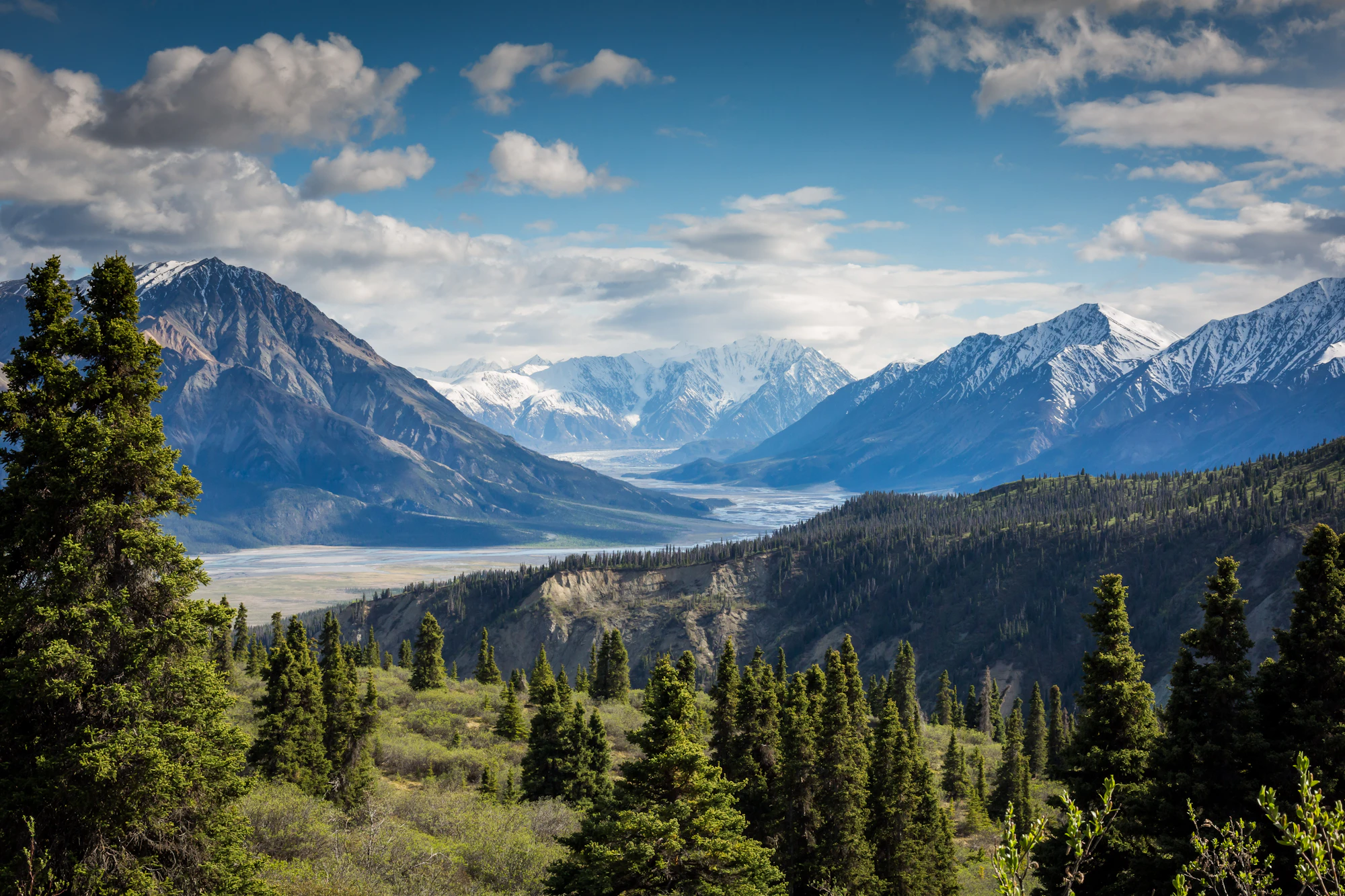
Mountain communities are often described as being on the front line of climate change because they live close to rapidly changing landscapes. Snow, glaciers, slopes, forests, rivers and weather patterns are not distant systems. They shape daily life.
Water is one of the clearest connections. Many mountain households depend on springs, streams, snowfall and seasonal flows. Climate change can affect timing and reliability. Some places may experience more intense rainfall, while others face dry-season stress. These changes influence drinking water, farming, livestock, sanitation and local ecosystems.
Hazards are another concern. Mountain regions already face landslides, floods, avalanches and earthquakes. Climate change can interact with these risks by changing rainfall intensity, snow conditions, glacial lakes and slope stability. Infrastructure such as roads, footbridges, schools, health posts and hydropower systems can be exposed.
Livelihoods are also affected. Farming calendars, crop choices, grazing patterns, tourism seasons and labor migration can shift as conditions change. A climate impact is rarely only environmental. It can become economic, social and cultural. When young people leave because livelihoods are uncertain, communities may lose labor, knowledge and continuity.
Ecosystems matter too. Mountain biodiversity is shaped by altitude and climate. Warming can shift species ranges, affect forests and change habitat conditions. These ecological changes can influence food, medicine, soil stability and cultural relationships with land.
Adaptation must therefore be community-centered. Mountain residents are not simply victims or case studies. They hold knowledge about local weather, water sources, routes, hazards and social priorities. Scientific research and policy become stronger when local experience is treated as knowledge rather than decoration.
Support can come in many forms: climate education, locally relevant planning, resilient infrastructure, livelihood support, disaster preparedness, youth engagement, research partnerships and respectful storytelling. The goal is not to speak over mountain communities, but to create more space for their realities in climate decisions.
Save Mountain seeks to support this conversation through awareness, education, youth participation and collaboration. Learn more about our values, explore our work, or contact us with partnership ideas.
Sources
- Hindu Kush Himalaya Assessment - ICIMOD, 2019
- Sixth Assessment Report - IPCC